
Foresight · Signals · Opportunity
Forecasts
Forward-looking analysis for decisions that cannot rely only on yesterday’s data. Sanctuary tracks emerging signals, builds scenarios and identifies areas where investment, business development and place-based growth may be moving next.
Daily intelligence
Signals before they become obvious.
New forecasts are generated every day across distinct domains. Each forecast must pass Sanctuary’s evidence, citation and quality gates before publication.
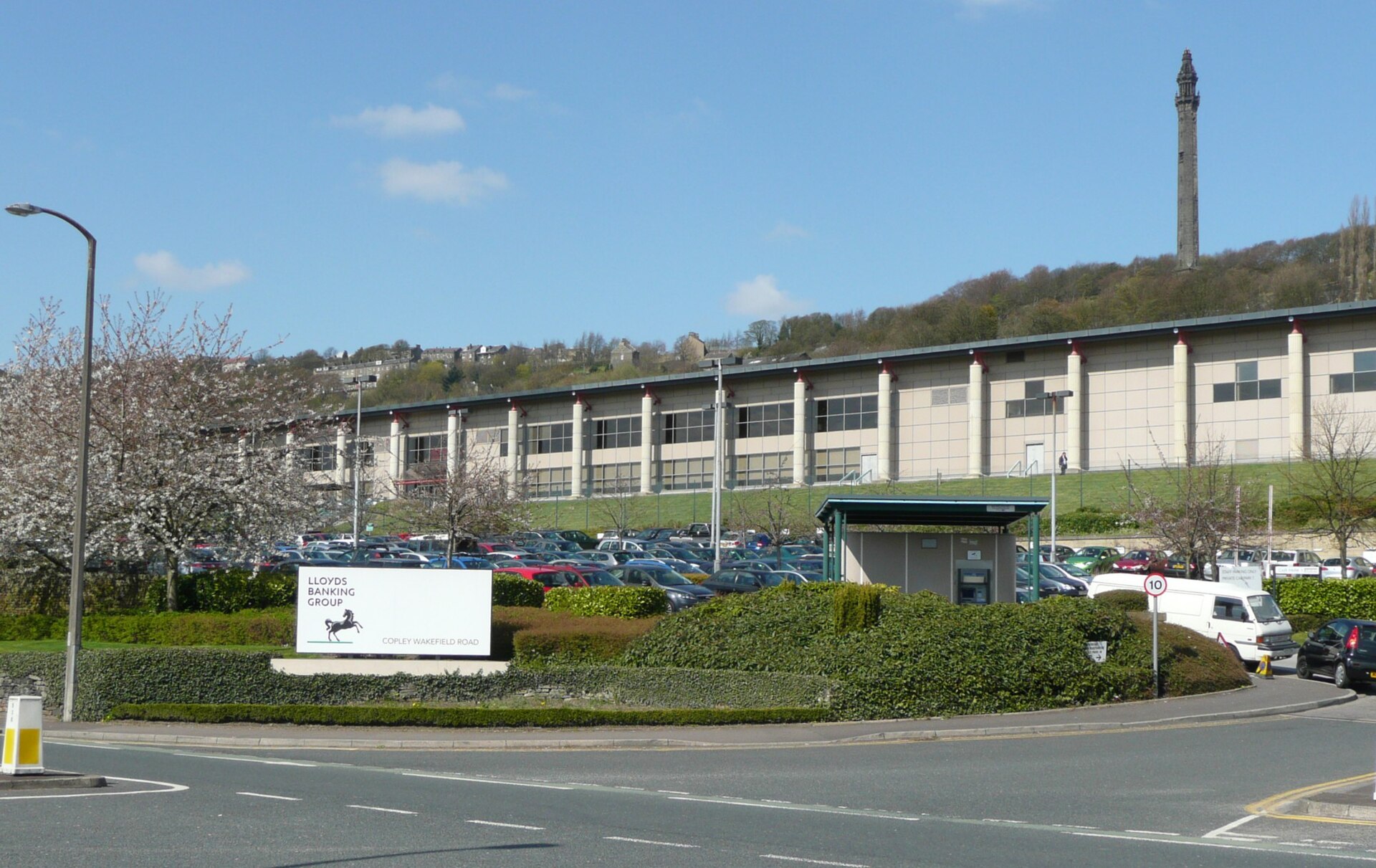
Energy, power & industrial systems
UK data-centre grid connections to 2029: why the queue is not a demand forecastBritain’s connection queue signals intense competition for electricity-system access. It does not show how much data-centre capacity will be financed, built, energised, occupied and consuming power by 2029.
Read forecast →
Retail, consumer & marketing
UK retail winter 2026–27: profitable conversion in a fragmented marketLate-summer data do not support either a broad consumer recovery or a universal retreat. The winter priority is to convert purposeful demand at a positive contribution while retaining flexibility on stock, labour and local capacity.
Read forecast →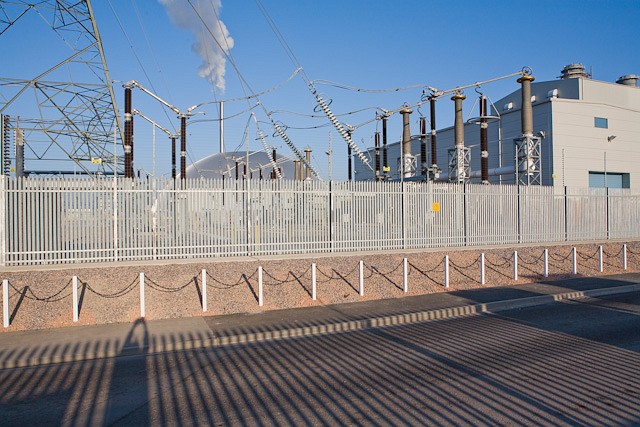
Energy, power & industrial systems
UK power-aware growth sites, 2027–29: why credible demand will matter more than a grid-queue positionBritain’s contest for electricity capacity is becoming a test of project credibility and system value. For developers, local leaders and digital infrastructure investors, a connection offer is increasingly necessary—but insufficient—for a viable growth site.
Read forecast →
Retail, consumer & marketing
UK retail forecast to April 2028: growth will depend on conversion, not a broad footfall reboundRetail sales volumes have strengthened while physical visits have weakened. For retailers, high streets and SMEs, the practical opportunity is to improve the contribution of each customer interaction across stores, digital channels and local catchments.
Read forecast →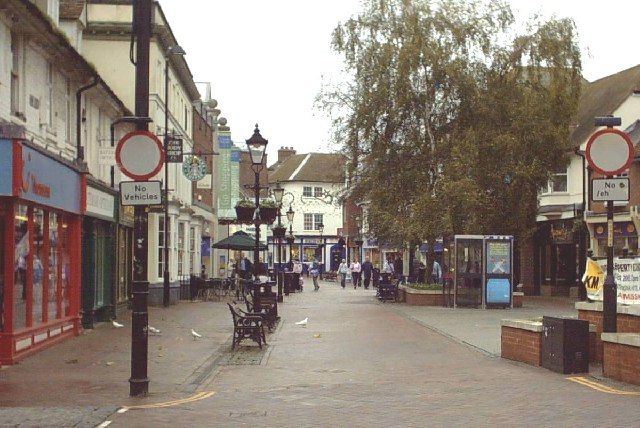
High streets, cities & place-based growth
England’s town centres, 2027–29: why access, activation and stewardship will determine Pride in Place outcomesThe next three years will favour places that turn capital funding into a managed chain of access, activity and local enterprise—not those that equate completed public-realm schemes with regeneration.
Read forecast →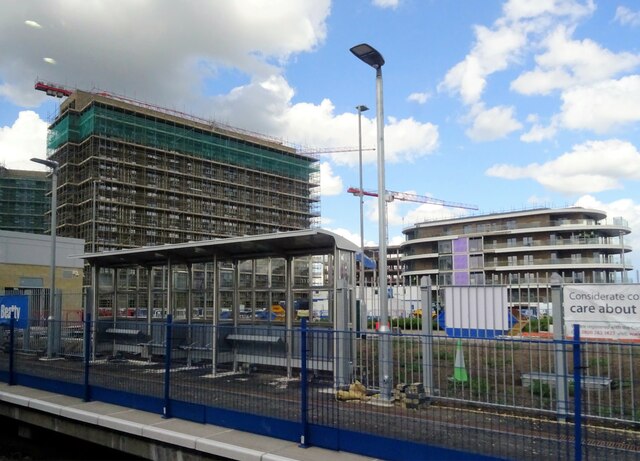
Construction, housing & infrastructure
England’s housing delivery window, 2027–28: why serviced land will matter more than planning permissionsA selective recovery is plausible, but only where land, infrastructure, finance, procurement and local delivery capacity are assembled into a credible route to build-out.
Read forecast →
Forecast & Opportunity Intelligence
UK business investment outlook, October 2026–March 2028: why staged capital plans beat a Budget freezeBusiness investment has risen, but the recovery is uneven by asset, sector and project purpose. For UK leaders, the priority is not indiscriminate spending or blanket delay: it is building a decision-ready pipeline that can scale when evidence improves.
Read forecast →
AI, software & technology adoption
UK AI adoption to 2028: controlled workflows, not broad autonomyEmployee experimentation is outpacing deep organisational deployment. The UK opportunity to April 2028 lies in turning useful use cases into bounded, measurable workflows—not granting AI systems unrestricted authority.
Read forecast →
Workforce, hiring & skills
UK workforce outlook for 2027–28: selective hiring, AI and the entry-route testLower vacancy volumes may ease recruitment pressure, but employers still face a harder organisational challenge: redesigning work, building supervisory capacity and preserving credible routes into skilled roles.
Read forecast →
UK economy & SME operating conditions
UK SME outlook, October 2026 to September 2027: invest for cash payback, not a hoped-for recoveryModest growth and selective investment create an opening for productive SMEs, but demand uncertainty, renewed cost pressure and uneven credit conditions make liquidity and execution more important than expansion plans.
Read forecast →
Energy, power & industrial systems
UK grid connections to 2030: why deliverable demand matters more than queue positionConnections reform can improve the allocation of scarce network capacity, but it will not by itself deliver the sites, equipment, economics and local capability needed to turn power access into productive investment.
Read forecast →
Forecast & Opportunity Intelligence
Pride in Place 2026–30: why operating capacity, not project volume, will determine local valueThe 30 November 2026 Phase 2 submission deadline is a test of whether Neighbourhood Boards can turn long-term capital into assets, services and enterprise that remain viable after opening day.
Read forecast →Method
Evidence first. Uncertainty visible.
Forecast work combines current data, credible research, primary sources, leading indicators and scenario analysis. Public-market analysis explains business drivers, catalysts, counter-signals and material risks.
Open Forecasts & Opportunity Intelligence →